Football Dad: A Designer’s Review for Real Embroidery Projects
As an embroidery designer who has spent years digitizing patterns and testing them on everything from delicate baby onesies to heavy-duty canvas tote bags, I approach every new Football Dad design with a critical eye. It is not enough for a graphic to look good on a screen; it must translate flawlessly into thread. When I first opened the file for this particular design, my immediate goal was to determine if it held up under the mechanical realities of machine embroidery. This review breaks down how this asset performs in real-world scenarios, offering practical insights for fellow designers, Etsy sellers, and craft business owners looking to add high-quality items to their inventory.
First Impressions and Visual Personality
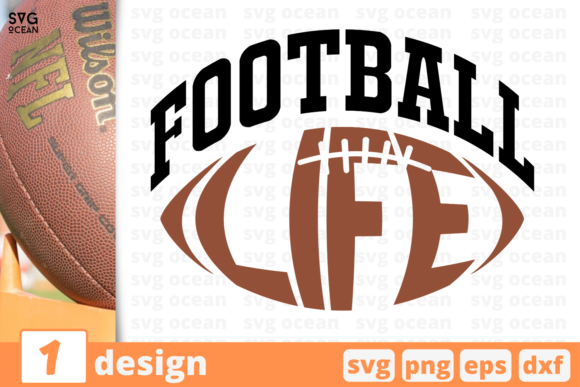
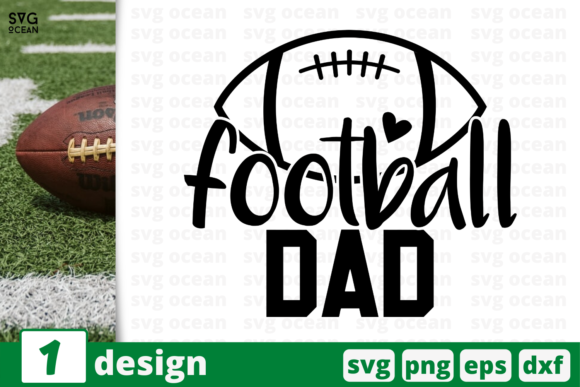
The Football Dad motif carries a specific mood: proud, sporty, and slightly rugged. Visually, the layout balances bold typography with thematic iconography, creating a composition that feels intentional rather than cluttered. For those of us working in the Crafts and Graphics space, we know that clarity is king. The shapes within this design appear distinct, which is crucial when converting vector paths into stitch data. If you are using this as a reference for digitizing your own machine embroidery design, the clean lines suggest that it will handle well without excessive jump stitches or confusing overlaps. The visual personality is versatile enough to appeal to a broad demographic, making it a strong candidate for personalized gifts and boutique merchandise.
Real-World Application: The Custom Sweatshirt Test
To truly evaluate a design, you have to imagine it stitched out. I visualized placing Football Dad on the left chest of a heather grey crewneck sweatshirt. This is a staple product for any small shop owner. In this context, the design needs to be legible from a distance but detailed enough to look premium up close. The theme fits naturally here. A father wearing this to a weekend game or a casual outing represents the ideal customer for this type of custom apparel.
However, the application extends beyond just shirts. Consider a sturdy canvas tote bag design. The bold nature of the quote would stand out beautifully against natural cotton fiber. For Etsy sellers, this versatility is key. You can market the same digital asset across multiple product lines, from embroidered patches sewn onto denim jackets to pillow covers for a sports-themed nursery. The ability to see the design working in these varied contexts confirms its value as a flexible design asset.
Navigating Fabric and Hoop Constraints
While the design is strong, experienced embroiderers know that fabric choice dictates success. If you are planning to stitch Football Dad on a curved surface like a cap, you must pay close attention to the hoop size and the density of the fill areas. Caps require specialized stabilizers and often benefit from simpler designs to avoid puckering. If the original graphic has intricate details or tiny lettering, these might get lost or cause thread breaks on textured fabrics like terry cloth towels or thick fleece blankets.
For baby embroidery projects, such as a soft bodysuit, you need to ensure the stitch count is not too high. Dense stitching can make a garment stiff and uncomfortable for an infant. I always recommend testing the design on scrap fabric first. Check how the thread colors interact with the fabric texture. On dark fabrics, you may need to adjust your underlay or use a lighter backing to ensure the colors pop. Conversely, on light fabrics, ensure your stabilizer does not show through the lighter stitches. These practical checks are what separate amateur outputs from professional-grade finished products.
Technical Considerations for Digitizers
It is important to note the file formats provided. The download includes SVG, DXF, PNG, and EPS formats. As a reviewer, I must clarify that these are primarily vector and raster graphics formats, commonly used with cutting machines like Cricut Design Space or Silhouette Designer Edition. They are not native embroidery files (such as PES, DST, or JEF).
This distinction is vital for commercial embroidery professionals. You will need to import these graphics into your digitizing software to create the actual stitch file. This step allows you to control the satin stitch width, adjust the fill stitch direction, and set appropriate running stitch outlines. By digitizing it yourself, you can tailor the stitch density to match your specific machine and fabric combination. Always confirm licensing terms before selling finished items or digital products derived from this artwork. Understanding the difference between a cut file and an embroidery file ensures you deliver the highest quality result to your clients.
Enhancing Brand Value and Customer Trust
Why does the quality of a design like Football Dad matter for your brand? Consistency builds trust. When a customer receives a personalized gift that looks crisp, professional, and well-executed, they are more likely to return. A sloppy stitch-out due to poor design preparation can damage your reputation as a craft business owner. Using a well-structured graphic as the foundation for your embroidery allows you to maintain high standards.
Furthermore, this design supports effective marketing. You can create stunning printable mockups for your online store, showing the design on various products before you even stitch a single thread. This helps buyers visualize the holiday embroidery potential for Father’s Day, birthdays, or championship celebrations. High-quality visuals drive engagement and sales, making the initial investment in a good design worthwhile.
Final Verdict for Makers and Sellers
In conclusion, Football Dad is a promising graphic for creators who understand the technical side of embroidery. It offers a clear, thematic layout that translates well to various handmade products. Whether you are creating a sweatshirt embroidery piece for a local team dad or a decorative item for a sports bar, the design holds up.
Remember to respect the material constraints. Test on different fabrics, choose your thread colors wisely, and ensure your digitizing settings match the complexity of the image. For small shop products and custom apparel, this design provides a solid foundation for creating items that customers will love and wear with pride. By approaching this asset with a designer’s mindset—focusing on stitch clarity, fabric compatibility, and end-use functionality—you can transform a simple graphic into a standout addition to your portfolio.