Happy Holidays: A Designer’s Real-World Embroidery Review
As a designer who has spent countless hours digitizing and testing files for real-world production, I approach every new machine embroidery design with a healthy dose of skepticism. We have all been there: you download a beautiful preview, load it onto your machine, and watch in horror as the thread bunches up or the details vanish into the fabric. That is why I took a close, practical look at the Happy Holidays design before committing it to any client work or personal projects. This isn’t just about whether it looks cute on a screen; it is about how it performs under the needle.
The Happy Holidays graphic falls squarely into the winter seasonal category, offering a versatile message that bridges the gap between specific religious holidays and general winter cheer. For those of us running a craft business or selling on platforms like Etsy, this versatility is gold. You do not want to alienate customers who prefer a secular winter greeting, nor do you want to miss out on the festive market. The design’s layout suggests a balance of playful typography and seasonal motifs, making it a strong candidate for various embroidery projects.
First Impressions and Visual Personality
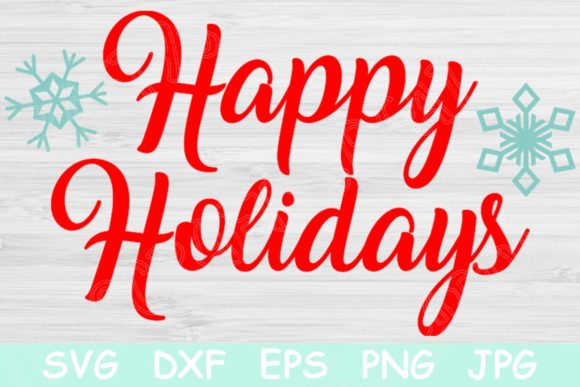
When I first opened the file, the immediate impression was one of approachable warmth. The shape and flow of the lettering in Happy Holidays feel inviting rather than rigid. In the world of Graphics and digital art, clarity is king. A design that looks cluttered on a monitor will almost always look worse when stitched out. Fortunately, this design maintains clean lines that suggest it will translate well into thread.
The mood it creates is distinctly cozy. It feels at home in a rustic cabin setting or a modern minimalist nursery. For an Etsy seller, this means the design can fit into multiple shop aesthetics. Whether you are branding a boutique line of kitchen linens or creating personalized gifts for a holiday market, the visual personality of this file supports a high perceived value. It does not scream "cheap clipart"; instead, it offers a polished look that suggests professional design assets.
Real-World Application: The Tote Bag Test
To truly evaluate an embroidery file, you have to imagine it on a physical product. I visualized this design on a heavy canvas tote bag design. This is a popular item for holiday gift-giving and grocery runs alike. The width of the text in Happy Holidays seems ideal for the standard rectangular hoop sizes often used for bags.
If you were stitching this on a tote, the contrast would be key. I recommend using a bright white or cream thread on a navy or forest green canvas. The design’s structure appears robust enough to handle the texture of canvas without getting lost. However, because it is described as a file that could also work for wood signs, we know the lines are bold. This is beneficial for embroidery because bold lines tolerate slight misalignments better than ultra-fine details. For a handmade product intended for daily use, durability in appearance is just as important as durability in stitch.
Apparel and Custom Gifts
Moving beyond bags, let’s talk about custom apparel. I see this design working beautifully on a sweatshirt. Sweatshirt embroidery requires careful management of stitch density. If the design is too dense, the fabric will pucker and become stiff. If it is too light, the fleece might show through. Based on the visual weight of Happy Holidays, it likely utilizes a mix of satin stitch for the borders and fill stitch for the interior of the letters.
For baby items, such as a onesie or a blanket, caution is advised. While the sentiment is perfect for a baby embroidery project, you must check the scale. If the design is large, it may be too heavy for delicate infant skin. Always resize appropriately and use a soft stabilizer to prevent irritation. For a personalized gift, adding a name below the main text could enhance the value, provided the font pairing complements the original design.
Technical Considerations for Stitchers
No design is universal, and Happy Holidays is no exception. There are specific scenarios where you need to proceed with care. First, consider the hoop size. If you are working with a small 4x4 hoop, you may need to split the design or reduce it significantly. Reducing complex designs can lead to lost details, so always run a test stitch on scrap fabric first.
Fabric texture plays a massive role here. On textured fabrics like terry cloth towels or wool blankets, fine details can disappear. This design seems to rely on clear legibility, so it should perform well on medium-weight cottons and blends. However, on stretchy fabrics like jersey knits, you must use a cut-away stabilizer to prevent distortion. The "happy" nature of the text should not turn into a wavy mess due to poor stabilization.
Another critical factor is thread colors. Since this is a winter-themed design, traditional reds, greens, silvers, and golds come to mind. But do not be afraid to experiment. A monochromatic look using varying shades of blue could create a stunning icy effect. Before committing to the final finished product, test your color combinations digitally if your software allows, or physically on scrap pieces. This step saves time and materials, ensuring your small shop product looks professional.
Commercial Use and Brand Consistency
For those engaging in commercial embroidery, licensing is non-negotiable. The description notes these are digital artwork files, but you must confirm the specific license terms before selling items made with Happy Holidays. Can you sell physical goods? Can you resell the digital file? These are questions you must answer with the creator directly. Assuming the license permits commercial use, this design can be a staple in your holiday catalog.
Consistency is vital for brand trust. If your brand is known for high-quality, clean stitching, this design supports that image. Its clear lines allow for precise execution. When customers receive a personalized gift with crisp, well-defined lettering, their confidence in your brand grows. Conversely, a messy stitch-out damages reputation. Therefore, treat this file with the respect it deserves by optimizing your machine settings.
Final Verdict and Practical Tips
In conclusion, Happy Holidays is a solid addition to any designer’s library of winter Crafts resources. It offers flexibility, seasonal appeal, and a professional aesthetic. To get the best results:
- Test on Scrap: Always stitch a sample on the same fabric type you plan to use for the final item.
- Check Density: Ensure the stitch count is appropriate for your fabric weight to avoid puckering.
- Contrast Matters: Choose thread colors that stand out against the background fabric for maximum readability.
- Stabilize Properly: Match your stabilizer to the fabric stretch and weight.
- Verify Licensing: Confirm commercial rights before selling any embroidered patch, towel, or garment.
Whether you are creating a printable mockup for your online store or stitching a one-of-a-kind gift, this design holds up under scrutiny. It is not just a pretty picture; it is a functional tool for creators who value quality and efficiency. By understanding its strengths and limitations, you can leverage Happy Holidays to create products that delight customers and elevate your craft.