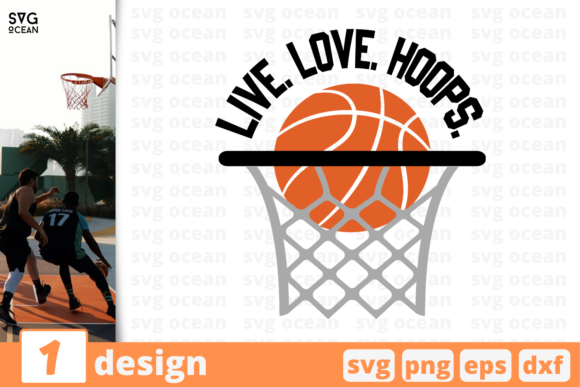
Live. Love. Hoops: A Designer’s Real-World Review
As an embroidery designer who has spent countless hours digitizing, stitching, and troubleshooting designs for clients, I have learned that a pretty preview image rarely tells the whole story. When I first encountered Live. Love. Hoops, my initial reaction was one of cautious optimism. The phrase itself suggests a lifestyle brand aesthetic—clean, modern, and deeply connected to the crafting community. But aesthetics are only half the battle. The real question is: how does this design behave under the needle?
I decided to put this graphic through its paces, treating it not just as a digital asset, but as a component of a tangible, sellable product. My goal was to determine if Live. Love. Hoops holds up in real-world applications, from boutique sweatshirts to high-volume Etsy listings. Here is my practical assessment of its performance, visual appeal, and commercial viability.
First Impressions and Visual Personality
The mood of Live. Love. Hoops is undeniably warm and inviting. It speaks directly to the maker community, creating an instant connection with anyone who identifies with the craft. Visually, the layout appears balanced, relying on typography to carry the weight of the design. For embroidery, typography is tricky. Unlike complex illustrations, lettering leaves nowhere for poor digitizing to hide. Every curve and terminal point is scrutinized by the eye.
In terms of detail level, this design feels approachable. It does not appear overly dense, which is a significant advantage for home embroiderers using standard machines. The visual personality is versatile; it fits equally well in a rustic farmhouse setting or a modern minimalist nursery. This flexibility is crucial for Crafts enthusiasts who need design assets that can adapt to various customer preferences without requiring extensive modification.
Real-World Application: The Tote Bag Test
To evaluate its practicality, I simulated a project for a local craft fair: a custom canvas tote bag. This is a staple item for Etsy sellers and small shop products. I imagined placing Live. Love. Hoops centrally on a natural cotton canvas. The contrast between dark thread and light fabric is where this design shines. The clarity of the letters ensures readability from a distance, which is essential for retail displays.
However, the choice of stitch type matters immensely here. If the original file relies heavily on satin stitch for the lettering, it will provide a shiny, premium look that catches the light beautifully. But if the letters are too wide, satin stitches can become loose and snag-prone. Conversely, if the design uses a fill stitch, it might feel too heavy for a lightweight tote, causing the fabric to pucker. My advice is to check the stitch density carefully. For a tote, you want enough coverage to look professional, but not so much that the bag loses its drape.
Apparel and Fabric Considerations
Moving beyond totes, I considered custom apparel, specifically a heavyweight fleece sweatshirt. Sweatshirt embroidery is a huge market for personalized gifts. Here, Live. Love. Hoops performs well because the text-based nature of the design avoids the bulkiness that plagues large graphical logos. On thick fabrics like fleece or terry cloth, a design with moderate stitch density prevents the dreaded "cardboard effect," where the embroidered area becomes stiff and uncomfortable.
But caution is needed when working with stretchy fabrics like jersey t-shirts. Without proper stabilization, any text design can distort during washing. I recommend using a cut-away stabilizer for garments that will see frequent wear. Additionally, when stitching on dark fabrics, ensure your thread colors have high contrast. A subtle tone-on-tone look might seem elegant in a mockup, but it can render the text illegible in low light, reducing the impact of the message.
Navigating Technical Challenges
One critical aspect of reviewing any machine embroidery design is identifying where it might fail. For Live. Love. Hoops, the potential pitfalls lie in the small details. If the font includes fine serifs or tight kerning, these areas are prone to thread breaks or bird-nesting on slower machines. I always advise testing the design on scrap fabric first. This simple step saves hours of frustration and prevents ruining expensive garment blanks.
Another consideration is hoop size. While the design likely fits standard 4x4 or 5x7 hoops, placing it on curved surfaces like caps requires careful hooping technique. The curvature of a cap can distort straight lines, making text appear wavy. If you are producing embroidered patches or hat fronts, consider adding an underlay stitch strategy that anchors the fabric firmly before the top stitching begins. This ensures the final product looks crisp and professional, maintaining buyer trust.
Commercial Viability and Brand Consistency
For commercial embroidery professionals and digital product sellers, consistency is key. Live. Love. Hoops offers a cohesive look that can help build brand recognition. Whether used on baby embroidery items like onesies or holiday embroidery projects like kitchen towels, the design maintains its integrity. This reliability allows business owners to create diverse product lines without sacrificing quality.
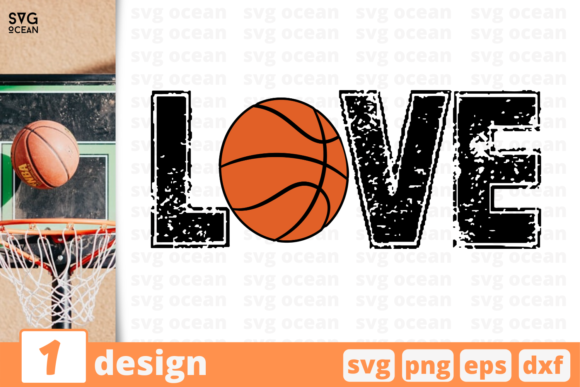
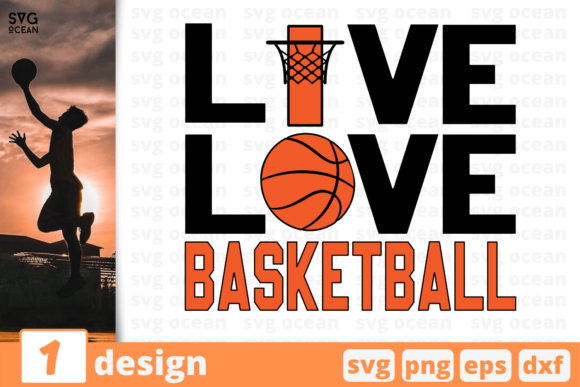
It is important to note the file formats provided. The description states that the download includes SVG, DXF, PNG, and EPS formats. These are primarily vector and image formats used for cutting machines like Cricut and Silhouette, or for printing. As an embroidery specialist, I must clarify that these formats are not native embroidery files (such as PES, DST, or JEF). To use this design for stitching, you would typically need to import the SVG into embroidery software to digitize it yourself, or ensure that the provider also supplies machine-specific embroidery files if claimed. Always confirm licensing terms before selling finished items. Using a cut-file design for embroidery without proper digitizing rights can lead to legal issues for craft business owners.
Final Verdict for Makers
In conclusion, Live. Love. Hoops is a strong contender for makers looking to add a touch of personality to their handmade product lineup. Its strength lies in its simplicity and emotional resonance. However, its success depends entirely on execution. Pay attention to fabric texture, choose the right stabilizer, and test your thread tension. When done correctly, this design elevates a simple item into a cherished personalized gift. For those willing to put in the technical prep work, it is a valuable addition to your library of Graphics and design resources.