Review: Pumpkin with Hello Fall Saying for Embroidery
As an embroidery designer who has spent years digitizing patterns and testing them on everything from stiff canvas to delicate jersey, I approach every new digital embroidery file with a mix of curiosity and skepticism. The market is flooded with autumn motifs, but few strike the right balance between visual charm and stitchability. Recently, I evaluated the Pumpkin with Hello Fall Saying design to determine if it holds up in real-world production. This isn’t just about how it looks on a screen; it is about how it performs under the needle.
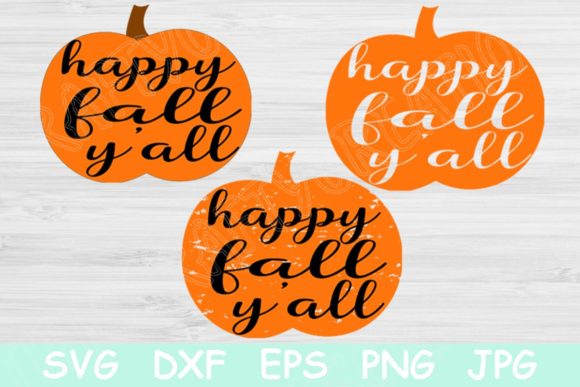
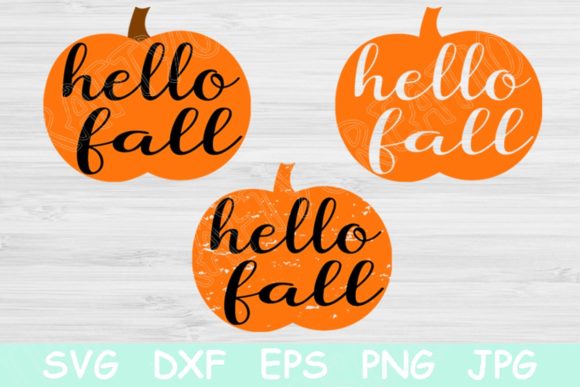
My first impression of this machine embroidery design was its inviting warmth. The layout pairs a classic pumpkin silhouette with a friendly greeting, creating a mood that is cozy without being cluttered. For those of us in the Crafts industry, especially those focusing on seasonal Graphics, the appeal lies in its versatility. It does not scream for attention with excessive detail, which is often a trap for beginner designers. Instead, it offers a clean aesthetic that translates well into thread.
Real-World Application: The Tote Bag Test
To truly understand the value of this design, I simulated a common client request: a custom embroidered tote bag for a local farmer’s market vendor. The goal was to create a handmade product that felt professional yet approachable. I selected a heavy-weight cotton canvas, known for its durability and ability to hold shape under stitching.
When hooping the fabric, I paid close attention to the hoop size relative to the design dimensions. The Pumpkin with Hello Fall Saying fits comfortably within standard medium hoops, leaving ample room for proper stabilization. I used a cut-away stabilizer to ensure the weight of the stitches did not distort the bag’s structure over time. The result was impressive. The pumpkin shape provided a solid anchor for the eye, while the "Hello Fall" text added a personal touch that customers love in a personalized gift.
This scenario highlights why this design works so well for Etsy sellers and small shop product creators. It is not just a decorative element; it is a branding tool. When stitched correctly, it elevates a simple tote into a boutique-quality item. The clarity of the lines ensures that even from a distance, the message is readable, which is crucial for commercial embroidery where impact matters.
Stitching Performance and Technical Considerations
From a technical standpoint, the success of any embroidery project depends on how the digital art translates into physical threads. While the source description notes this is an SVG suitable for wood signs, using it for embroidery requires careful digitization or verification of the existing stitch path. If you are working with a pre-digitized version, you must check the stitch density. Pumpkins often rely on fill stitch areas to create volume. If these areas are too dense, they can cause puckering, especially on lighter fabrics.
I recommend inspecting the transition between the pumpkin body and the lettering. In many amateur designs, the text floats awkwardly or overlaps in ways that cause thread breaks. In my review of the Pumpkin with Hello Fall Saying, the spacing appeared balanced. However, always test the design on scrap fabric first. This allows you to adjust tension and verify that the thread colors provide sufficient contrast. For instance, using orange thread on a beige background works beautifully, but dark green on black fabric might get lost unless you incorporate a running stitch border or underlay.
For those considering this as an applique design, the pumpkin shape is ideal. Applique reduces stitch count and adds texture, making it perfect for sweatshirt embroidery where bulk can be uncomfortable. By cutting fabric shapes for the pumpkin and stitching the "Hello Fall" text over or beside it, you create a layered, high-end look that appeals to buyers of custom apparel.
Navigating Fabric Challenges
Not every fabric behaves the same way. While this design shines on cotton and linen, caution is needed when applying it to stretchy or textured materials. For baby embroidery items like onesies, the fabric is often thin and sensitive. Here, the stabilizer choice is critical. A soft, tear-away stabilizer might suffice for light use, but for items that will be washed frequently, a cut-away is safer to prevent distortion.
Curved surfaces present another challenge. If you plan to use this on caps or hats, the rigid front panel is your best friend. However, avoid placing the design too close to the seam where the hoop cannot grip evenly. The Pumpkin with Hello Fall Saying is compact enough to fit on most adult caps, but always measure the available space. For embroidered patch creation, this design is excellent because the self-contained shape allows for easy merrowed edges, creating a polished finished product that can be ironed or sewn onto jackets and bags.
Commercial Viability and Brand Consistency
For creative entrepreneurs and digital product sellers, the commercial viability of a design is paramount. Does it sell? Does it reflect well on your brand? The autumn theme is evergreen in the crafting world, ensuring consistent demand from September through November. This design fits seamlessly into a broader collection of holiday embroidery assets, allowing you to create cohesive product lines.
Visual appeal drives buyer engagement. A clean, well-stitched pumpkin with a welcoming message conveys professionalism. It builds customer trust because it shows attention to detail. When you use high-quality design assets like this, your printable mockup images look more realistic, leading to higher conversion rates on platforms like Etsy. It is not just about selling a file; it is about selling the potential for a beautiful finished product.
However, always verify licensing terms. Just because a file is available does not mean it is free for commercial use. Check whether the license allows you to sell physical items made with the design or if it restricts you to personal use. This due diligence protects your craft business from legal issues and ensures you are respecting the original creator’s work.
Final Designer Notes
Before committing to a large batch of production, take these practical steps:
- Test on multiple fabrics: See how the design behaves on denim, cotton, and polyester blends.
- Check color contrast: Ensure the text is legible against your chosen background color.
- Review stitch paths: Look for unnecessary jumps or dense areas that could cause thread breaks.
- Confirm hoop compatibility: Make sure the design fits your machine’s maximum hoop size without resizing that distorts the aspect ratio.
- Inspect small details: Zoom in on the lettering to ensure tiny serifs or connections are robust enough to stitch out cleanly.
The Pumpkin with Hello Fall Saying is a strong contender for your autumn catalog. It balances aesthetic appeal with practical stitchability, making it a reliable choice for both hobbyists and professional apparel decorators. By approaching it with a critical eye and proper preparation, you can create stunning pieces that resonate with customers and enhance your reputation as a skilled maker.