Reviewing Autumn Leaves and Pumpkin Please Graphic
As a designer who has spent countless hours digitizing and stitching out seasonal motifs, I approach every new Autumn Leaves and Pumpkin Please Graphic with a critical eye. It is not enough for a design to look charming on a screen; it must hold up under the needle, survive the wash cycle, and appeal to the end customer. This particular graphic, marketed broadly across Crafts and Graphics categories, promises a cozy fall aesthetic. But does it translate effectively from a digital file to a tangible, stitched reality? Let us dive into the practical realities of using this design in a professional embroidery context.
First Impressions: Mood and Visual Personality
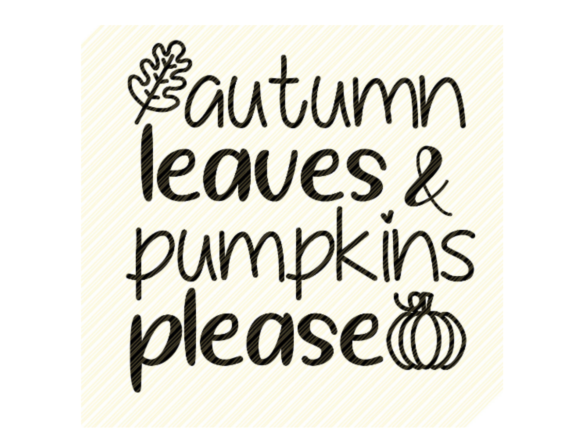
The immediate appeal of the Autumn Leaves and Pumpkin Please Graphic lies in its thematic clarity. It captures the essence of the harvest season without relying on overly complex Halloween tropes. The layout typically features organic leaf shapes surrounding a central pumpkin motif, often accompanied by typography that reinforces the "please" or welcoming nature of the phrase. For an embroidery project, this balance is crucial. Too much detail can lead to thread breaks and frustration, while too little can look sparse and unfinished.
From a visual standpoint, the design exudes warmth. It feels appropriate for home decor and wearable art alike. However, as experienced makers know, the transition from a crisp SVG or digital image to thread requires careful consideration of line weight and spacing. The curves of the leaves and the roundness of the pumpkin must be smooth, not jagged, to ensure a high-quality finish.
Real-World Application: The Tote Bag Test
To truly evaluate this design, I imagined a specific real-life scenario: creating a custom embroidered tote bag for a local farmer’s market. This is a popular item for Etsy sellers and small shop product lines. The goal was to produce a durable, attractive handmade product that could serve as both a functional grocery carrier and a stylish accessory.
I selected a heavy canvas fabric, which provides a stable base for embroidery. When positioning the Autumn Leaves and Pumpkin Please Graphic, I considered the scale carefully. A tote bag offers a generous canvas, allowing the design to breathe. If the design elements are too small, they get lost in the weave of the fabric. If they are too large, they become stiff and unwieldy. In this application, the graphic performed well, provided the stitch density was adjusted for the thick material. The resulting finished product had a professional look that elevated the perceived value of the simple canvas bag.
Versatility Across Product Lines
Beyond tote bags, this graphic shows promise in several other areas. For sweatshirt embroidery, the design adds a festive touch to plain hoodies or crewnecks. It works particularly well as a chest pocket accent or a larger back print, depending on the complexity of the digitized version. For baby embroidery, such as on onesies or bibs, the design must be simplified. Tiny details like intricate leaf veins may need to be removed or enlarged to prevent bunching on delicate fabrics.
Another strong use case is the embroidered patch. Patches are trending in the craft business world, offering a way to sell designs without committing to full garment decoration. The Autumn Leaves and Pumpkin Please Graphic lends itself well to a satin stitch border, creating a clean edge that prevents fraying. This makes it an ideal candidate for iron-on or sew-on accessories that customers can apply to jackets, hats, or backpacks.
Technical Considerations and Potential Pitfalls
While the aesthetic is strong, there are technical challenges to address. One major concern with any design featuring text and organic shapes is the interaction between different stitch types. The pumpkin likely requires a fill stitch to create solid color coverage, while the leaves might benefit from a combination of fill and satin stitch for definition. The text, if included, needs to be thick enough to be legible. Thin lettering often disappears or becomes unreadable when stitched, especially on textured fabrics.
Stitch density is another critical factor. If the digital file is not optimized, dense areas can cause the fabric to pucker. This is particularly problematic on stretchy materials like jersey knits used for t-shirts. In such cases, using a proper stabilizer is non-negotiable. A cut-away stabilizer is often recommended for garments that will be washed frequently, ensuring the design remains flat and intact over time.
Additionally, consider the hoop size. Ensure that your machine’s hoop can accommodate the full dimensions of the graphic. Trying to squeeze a large design into a small hoop by resizing it can distort the proportions and make the text illegible. Always check the dimensions before purchasing or downloading the digital embroidery file.
Fabric and Color Choices
The choice of thread colors can make or break this design. Traditional autumn palettes—burnt orange, deep red, mustard yellow, and olive green—work beautifully. However, do not shy away from modern interpretations. Pastel pumpkins and muted sage leaves can appeal to a contemporary audience. Testing the design on both light and dark fabrics is essential. On dark fabrics, you may need to adjust the underlay stitches to ensure the top threads pop and do not get lost in the background color.
Be cautious with textured fabrics like fleece or terry cloth. The intricate details of the leaves might get swallowed by the pile of the fabric. In these instances, simplifying the design or using appliqué techniques can help maintain clarity. An applique design approach involves stitching a outline, placing a piece of fabric, and then stitching over it, which reduces stitch count and creates a different textural effect.
Commercial Viability and Brand Consistency
For commercial embroidery professionals and Etsy sellers, the Autumn Leaves and Pumpkin Please Graphic offers a solid return on investment if used correctly. Seasonal items drive significant sales in the third and fourth quarters. A well-executed design can enhance brand consistency if it aligns with your shop’s overall aesthetic. It signals to customers that you are current and attentive to trends.
However, licensing is paramount. Just because a file is available as a Cricut file or Silhouette cut file does not automatically grant rights for commercial embroidery. Many designers sell separate licenses for digital cutting versus machine embroidery. Always verify the terms of use. Selling finished items without the proper commercial license can lead to legal issues and damage your reputation. If the product description mentions it is for personal use only, respect that boundary or contact the creator for a commercial upgrade.
Practical Designer Notes for Success
Before running this design on a final customer garment, follow these steps to ensure quality:
- Test on scrap fabric: Always stitch out a test sample on the same type of fabric you intend to use for the final product. This reveals tension issues and density problems.
- Check thread contrast: Ensure there is enough contrast between the thread colors and the fabric. Low contrast can make the design look muddy from a distance.
- Inspect small details: Zoom in on the digitized file. Are there unnecessary jump stitches? Are the tie-offs secure? Clean up the file if necessary.
- Use proper stabilizer: Match the stabilizer to the fabric weight and stretch. Do not guess; incorrect stabilization is the most common cause of poor embroidery results.
- Verify licensing: Confirm whether the design assets allow for commercial sales of physical goods. Do not assume.
In conclusion, the Autumn Leaves and Pumpkin Please Graphic is a versatile and appealing choice for fall-themed projects. With careful attention to digitizing quality, fabric selection, and stitching technique, it can elevate a simple item into a cherished personalized gift or a best-selling small shop product. By approaching the design with a professional mindset, you ensure that your final output reflects the high standards your customers expect.