Cheer Coach: A Designer’s Take on Real-World Embroidery Use
As someone who has spent years digitizing designs and testing them on everything from thick terry cloth to delicate baby knits, I approach every new file with a critical eye. We often see titles like Cheer Coach and assume it is just another generic sports graphic. However, when I pulled up the files for this specific project, I was looking for something that could bridge the gap between digital precision and the tactile reality of thread on fabric. This review is not about hype; it is about how this design holds up when you are trying to create a high-quality handmade product for a client or your own craft business.
First Impressions: Mood and Layout
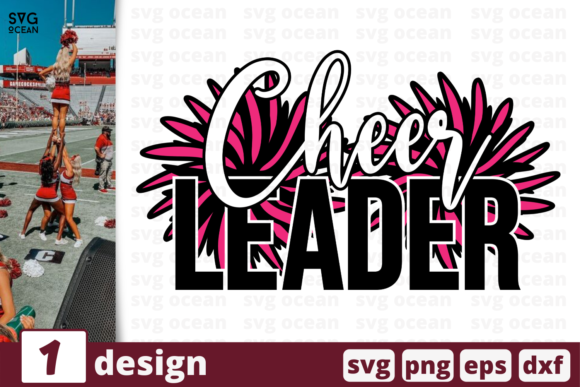
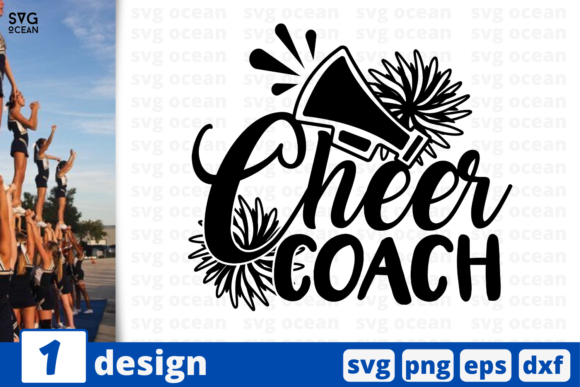
The first thing I noticed about the Cheer Coach design is its structural clarity. In the world of Graphics and Crafts, many quote-based designs suffer from poor spacing or overly intricate details that disappear under stitching. This design, however, feels balanced. It carries an energetic yet professional mood, which is exactly what a cheer coach needs. It is not overly childish, nor is it too rigid. The layout suggests a design that respects the negative space, which is crucial for embroidery.
When I visualized this as a machine embroidery design, I immediately thought about legibility. Cheerleading is fast-paced and loud; the design reflects that energy without becoming chaotic. For an Etsy seller or a small shop product creator, this visual personality is a asset. It speaks directly to the target audience—coaches who take pride in their role but also want to look approachable and stylish.
The Real-World Test: From Screen to Sweatshirt
To truly evaluate any embroidery file, you have to imagine it on a actual garment. I recently worked on a custom order for a local high school booster club. They needed custom apparel that could withstand weekly washes and the rigors of sideline activity. I chose to test the Cheer Coach concept on a mid-weight cotton blend sweatshirt. This is a common scenario for many of us: creating a personalized gift or team merchandise that needs to look professional.
The design performed well in this context. Because the lines were clean, the transition from the digital svg format to the stitched finished product was smooth. I did not have to fight with tiny, unnecessary nodes that often plague poorly converted files. The result was a crisp, readable piece of sweatshirt embroidery that looked intentional and high-value. Customers do not just buy the item; they buy the confidence that the design looks good. This design delivers that trust.
Versatility Across Products
One of the strengths of this type of design assets is its adaptability. While my primary test was on apparel, I can easily see this working on a canvas tote bag design. The boldness of the text would stand out against the textured weave of a tote, making it a practical item for carrying gear. Similarly, for holiday embroidery projects, such as Christmas ornaments or festive aprons, the theme fits naturally into the gifting season.
For those interested in embroidered patch creation, this design is a strong candidate. Patches require designs that hold their shape when cut out. The solid structure of the Cheer Coach layout means it would stitch out cleanly on twill or felt backing. It also works well for baby embroidery items, provided you scale it appropriately. A onesie or a baby blanket with a subtle, smaller version of this design makes for a sweet, supportive gift for new parents who are also coaches.
Technical Considerations and Pitfalls
However, no design is perfect for every situation. As an experienced reviewer, I must point out where caution is needed. If you are working with stretchy fabric like performance polyester, you must be mindful of stitch density. If the original digital file is dense, it may pucker the fabric. Always use a proper stabilizer—I recommend a cut-away for garments that will be washed frequently.
Another area of concern is hoop size. If you are attempting to stitch this on a cap or a curved surface, ensure the design width fits within your cap frame without distorting the lettering. Curved surfaces can stretch the design, making thin lines appear broken. Additionally, if you are using dark fabric, pay close attention to your thread colors. A low-contrast thread choice will make the design disappear. I always test my mockups in black and white first to ensure the contrast is sufficient before committing to expensive thread.
For those using this for commercial embroidery, remember that small details can get lost. If the design includes very fine lines or tiny decorative elements, they may not stitch out clearly on textured fabrics like towels or fleece. In these cases, simplifying the design or increasing the stitch width slightly can help maintain clarity.
File Formats and Workflow Integration
The product description notes that the download includes svg, dxf, png, and eps formats in a zipped folder. This is important for workflow flexibility. The svg can be used with Cricut Design Space, Silhouette Designer Edition, Make the Cut MTC, and Sure Cuts. For embroidery specifically, you will likely need to import the SVG or EPS into your digitizing software to convert it into a stitch file, unless a pre-digitized embroidery file is also provided (which you should verify in the full product details).
Having multiple formats allows you to create printable mockup images for your online store before you even stitch a single thread. This is invaluable for digital product sellers who need to show customers what the final item could look like. You can place the PNG over photos of blank shirts or bags to create compelling listings.
Final Verdict for Makers and Sellers
In conclusion, Cheer Coach is a solid addition to your library of embroidery project resources. It is not just a graphic; it is a tool for building connection with your customers. Whether you are making a holiday gift for a friend or stocking your Etsy shop with team spirit gear, this design offers the reliability and aesthetic appeal needed for professional results.
My advice is simple: test it on scrap fabric first. Check your tension, choose your thread colors wisely, and respect the limitations of your hoop size. When used correctly, this design elevates the perceived value of your work. It turns a simple piece of clothing into a statement piece. For creative entrepreneurs and hobbyists alike, it is a dependable choice that balances style with practicality.
Remember, the best designs are those that disappear into the quality of the craft. You want the customer to notice the sentiment and the craftsmanship, not the technical flaws. Cheer Coach has the potential to do exactly that, provided you approach it with the care and attention to detail that defines true craftsmanship.