Let’s Huddle: A Designer’s Review for Embroidery Projects
As a designer who spends more time staring at stitch simulations than I care to admit, I have learned that not every cute graphic translates well to thread. We often see designs that look perfect on a screen but turn into a tangled mess of puckered fabric once the needle hits the hoop. That is why I approach every new machine embroidery design with a healthy dose of skepticism and a stack of scrap fabric. Today, I am taking a close look at Let’s Huddle, a design that has been circulating in the Crafts and Graphics communities, to see if it holds up under the pressure of real-world production.
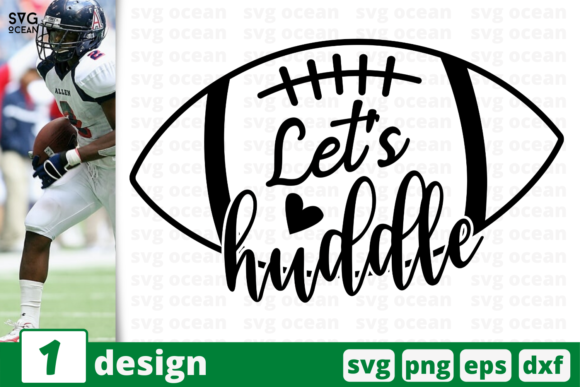
The first thing that strikes me about Let’s Huddle is its inherent warmth. The phrase itself evokes a sense of community, comfort, and togetherness. Visually, the layout suggests a design that relies heavily on typography, likely featuring rounded, friendly letterforms that mimic the act of huddling together. For an embroidery project, this is both a blessing and a challenge. Rounded fonts are generally forgiving, but the spacing between letters—known as kerning in graphic design and bridge management in embroidery—is critical. If the letters are too close, the stitches will merge, creating a blob rather than readable text. If they are too far apart, the design loses its cohesive "huddle" aesthetic.
Real-World Application: The Custom Sweatshirt Test
To truly evaluate this design, I imagined a specific client request: a set of matching sweatshirts for a family reunion or a close-knit friend group. This is a common order for any Etsy seller or small shop product owner. The goal is to create a personalized gift that feels high-end, not like a cheap promotional item.
In this scenario, Let’s Huddle shines as a centerpiece for sweatshirt embroidery. The thick, cozy nature of fleece or French terry cloth provides a stable base for the stitches. However, because sweatshirts are bulky, hoop selection becomes vital. You need a hoop large enough to accommodate the full width of the phrase without distorting the garment. I would recommend using a floating hoop technique or a magnetic frame to keep the fabric taut without leaving permanent marks on the ribbed cuffs or collars. The visual appeal here is strong; the message is clear, and the sentiment aligns perfectly with the tactile comfort of the garment. It turns a simple piece of custom apparel into a keepsake.
Navigating Fabric Textures and Stitch Density
One of the most important aspects of reviewing any embroidery file is understanding how it interacts with different materials. Let’s Huddle appears to be a text-based design, which means it likely utilizes a combination of satin stitch for smaller details or outlines and fill stitch for larger letter bodies.
If you are planning to use this on a tote bag design, you are in luck. Canvas and heavy cotton are ideal for this type of work. They can handle higher stitch density without puckering. However, if you attempt to stitch this on a thin, stretchy jersey for a t-shirt, you must proceed with caution. Without the proper stabilizer—likely a cut-away stabilizer for stretch fabrics—the design could warp after washing. I always advise testing the design on a scrap piece of the exact fabric you intend to use. Check how the thread colors contrast against the background. A dark thread on a dark fabric might look sophisticated in a mockup, but in reality, the texture of the stitches needs light to catch the highlights, or the design will disappear.
For those interested in creating an embroidered patch, this design is an excellent candidate. Patches allow you to control the backing and stabilizer completely. You can use a heavy tear-away or water-soluble stabilizer, stitch the design out, and then trim it closely. The result is a professional-looking accessory that can be ironed or sewn onto jackets, hats, or bags. This versatility makes it a valuable asset for craft business owners who want to maximize the utility of a single digital embroidery file.
Considerations for Small Hoops and Detailed Work
While Let’s Huddle is versatile, it is not without its limitations. If you are working with a small hoop size, such as a 4x4 inch hoop, you may need to resize the design significantly. This is where the integrity of the Graphics source file matters. The product description notes that the download includes SVG, DXF, PNG, and EPS formats. While these are great for cutting machines like Cricut or Silhouette, embroidery machines require specific PES, DST, or JEF files.
Important Note: Before purchasing or downloading, confirm that the package includes actual embroidery machine formats, not just vector graphics for cutting. If you are converting an SVG to an embroidery file yourself, be aware that auto-digitizing often results in poor stitch paths. Manual digitizing ensures that the running stitch underlays are correct and that the satin columns are not too wide, which can cause snagging. If the design is pre-digitized, check the stitch count. A high stitch count on a small area can lead to a stiff, cardboard-like feel, which is undesirable for baby embroidery items or soft holiday embroidery gifts like pillow covers.
Commercial Viability and Brand Consistency
For commercial embroidery professionals, the clarity of the design is paramount. Customers buy with their eyes, but they return for quality. Let’s Huddle offers a clean, modern aesthetic that fits well with current trends in minimalist home decor and boutique fashion. When used in a printable mockup for your online store, ensure that the digital representation matches the stitched reality. Misleading images can lead to refunds and negative reviews.
Using this design in a finished product like a kitchen towel or apron requires attention to washability. Ensure that the thread colors are colorfast and that the stabilizer is trimmed neatly. Loose threads or bulky backing can ruin the perception of quality. For design assets intended for resale, always verify the license terms. Most designers allow you to sell physical items made with their files, but reselling the digital file itself is typically prohibited. Protect your craft business by respecting intellectual property rights.
Final Verdict for Makers and Designers
In my assessment, Let’s Huddle is a strong contender for makers who value sentiment and simplicity. It works best on medium-to-heavy weight fabrics where the stitches can stand out without causing distortion. It is ideal for personalized gift markets, especially during the holiday season or for family-oriented events.
My advice to fellow designers and hobbyists is to treat this file as a starting point. Experiment with thread colors to find unique combinations—perhaps a tonal look with varying shades of blue for a calming effect, or high-contrast neon for a modern pop. Always stitch a test sample. Check the tension, inspect the back for excessive buildup, and wash the sample to see how it holds up. By taking these practical steps, you ensure that your embroidery project not only looks good on the hoop but stands the test of time in the hands of your customer. Whether you are an experienced pro or a weekend warrior, thoughtful execution is what separates a good product from a great one.