Review: Hold on, We’re Probably in Our Pajamas Design
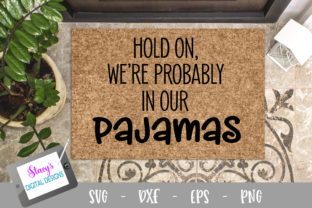
As a designer who spends more time staring at stitch simulations than I care to admit, I have learned that the difference between a cute digital file and a sellable handmade product often comes down to practicality. When I first pulled up the Hold on, We re Probably in Our Pajamas design, my initial reaction was one of amused recognition. It captures that specific, relatable moment of domestic chaos that so many of my clients love to showcase on their goods. However, moving from a screen preview to actual thread on fabric requires a critical eye. This review breaks down how this graphic performs in real-world embroidery scenarios, helping you decide if it belongs in your next craft business lineup.
First Impressions and Visual Personality
The mood of this piece is instantly cozy and humorous. It does not take itself too seriously, which is exactly why it works. The layout suggests a casual, handwritten aesthetic that pairs well with the message. For an embroidery project, this means the design needs to retain that organic feel without looking messy once stitched. The visual personality is warm and inviting, making it a strong candidate for home decor or comfortable apparel. It fits squarely into the Crafts category but elevates standard Graphics by offering a narrative element that customers connect with emotionally. When evaluating the shape and detail level, I look for potential trapping issues or areas where thread might bunch up. This design appears to have a balanced distribution of elements, avoiding overly dense clusters that could pucker lightweight fabrics.
Real-World Application: The Tote Bag Test
To truly understand the viability of this design, I mentally placed it on a canvas tote bag, a staple for any Etsy seller. Imagine a customer rushing out the door, grabbing their bag, and seeing this playful quote. It creates an immediate connection. For a tote bag design, the scale is crucial. If the lettering is too small, it becomes illegible from a distance. If it is too large, it might distort the fabric. In this case, the phrase length suggests a horizontal layout that works beautifully across the center of a standard tote. The contrast between the thread and the natural canvas color would need careful selection. A dark navy or charcoal thread on unbleached cotton would offer high readability, while pastel threads might get lost unless the fabric is pre-dyed a contrasting shade. This versatility makes it a strong asset for small shop product collections.
Apparel and Custom Gifts
Beyond totes, this design shines in custom apparel. Picture it on the back of a oversized sweatshirt or the chest of a matching family pajama set. For sweatshirt embroidery, the texture of the fleece provides a forgiving background that hides minor stitching imperfections. The humor of the quote aligns perfectly with the comfort of the garment. It also makes for an excellent personalized gift, especially for housewarmings or holidays. When considering holiday embroidery, this design can be adapted with festive thread colors—think red and green for Christmas or pastels for Easter morning preparations. The key here is ensuring the stitch density is appropriate for knit fabrics. Too much density, and the sweatshirt will pull and warp; too little, and the underlying fabric might show through.
Technical Considerations for Embroiderers
While the concept is charming, the execution requires attention to technical details. Since this is provided as a digital embroidery file package including SVG, PNG, DXF, and EPS formats, it is vital to understand the source. The description notes these are cut files, which implies the design may need to be digitized specifically for embroidery if a native PES or DST file is not included. If you are using this as a reference for manual digitizing, pay close attention to the running stitch outlines versus fill stitch areas. Handwritten fonts often have varying stroke widths, which can be tricky to replicate with thread. You may need to adjust the width of the satin stitches to maintain legibility without creating bulky ridges.
Another critical factor is the hoop size. Ensure your machine’s hoop can accommodate the full width of the phrase. If you are working with a smaller 4x4 hoop, you might need to split the design or reduce the size significantly, which could compromise the clarity of the smaller letters. Always test the design on scrap fabric first. This allows you to check thread tension and see how the thread colors interact with your chosen material. For dark fabrics, you might need an underlay stitch or a white backing to make the colors pop, adding another layer of complexity to the production process.
Fabric and Stabilizer Choices
The choice of fabric texture plays a huge role in the final outcome. On smooth cottons, the design will look crisp and clean. On textured linens or waffle weaves, the stitches might sink in, requiring a heavier cut-away stabilizer to support the weight of the thread. For stretchy fabrics like jersey knits used in t-shirts, a stabilizer is non-negotiable to prevent distortion during washing. If you are creating an embroidered patch to be ironed on later, you can use a stiffer stabilizer and denser stitching to create a standalone element that holds its shape regardless of the garment it is applied to.
Commercial Viability and Brand Consistency
For commercial embroidery professionals and apparel decorators, consistency is key. This design offers a recognizable style that can become part of a brand’s signature look. Using it across various products—from baby embroidery items like onesies to kitchen towels—creates a cohesive collection. However, you must verify the licensing terms. Just because you have the SVG file does not automatically grant commercial rights for the embroidered finished product. Always confirm whether the creator allows for the sale of physical items made using their design assets. This step protects your craft business from legal issues and ensures you are respecting intellectual property.
Furthermore, consider how the design looks in printable mockup previews for your online store. A well-lit photo of the stitched design on a high-quality garment sells the product better than a digital render. Show the texture of the thread and the drape of the fabric. This transparency builds customer trust and reduces return rates due to mismatched expectations. When buyers see the actual stitch quality, they perceive higher value in the finished product.
Final Verdict for Makers
The Hold on, We re Probably in Our Pajamas design is a delightful addition to any maker’s library, provided it is handled with technical care. It bridges the gap between humor and home comfort, making it highly marketable for personalized gifts and boutique merchandise. Success lies in the details: choosing the right stabilizer, testing on various fabrics, and ensuring the scale fits the intended item. Whether you are a hobbyist making gifts for friends or an Etsy seller building a brand, this design offers a charming narrative that resonates with modern lifestyles. Just remember to check your machine’s compatibility with the provided file types and digitize appropriately for the best stitch results. With the right preparation, this graphic can transform simple textiles into cherished keepsakes.