Noel Embroidery Design: A Designer’s Practical Review
As a designer who spends more time staring at stitch simulations than actual fabric, I have learned to be skeptical of holiday graphics. The market is flooded with generic seasonal assets that look crisp on a screen but turn into a tangled mess under the needle. When I first pulled up the Noel design, my initial reaction was one of cautious optimism. It presents itself as a clean, winter-themed SVG, marketed heavily toward custom wood signs and digital crafts. But my job is to determine if it holds up when translated into thread for real-world embroidery projects.
First Impressions and Visual Personality
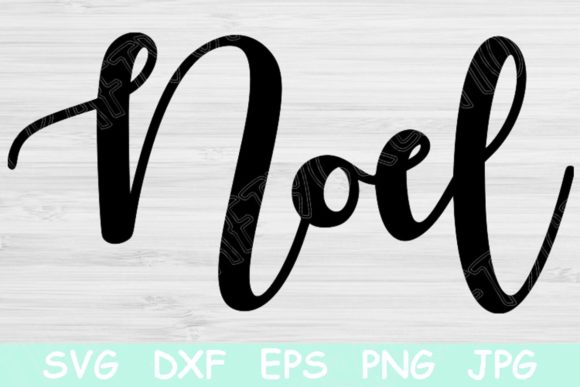
The word "Noel" carries a specific weight. It is traditional, elegant, and inherently festive without being overly cartoonish. This particular iteration of the design leans into that classic aesthetic. From a graphic design perspective, the lines appear balanced, suggesting a layout that respects negative space. For an Etsy seller or a small shop product creator, this visual restraint is valuable. It does not scream for attention; instead, it invites a closer look.
The mood here is cozy and refined. It feels appropriate for high-end boutique branding rather than discount bin clearance items. When evaluating design assets in the Crafts category, I look for versatility. Does this graphic work only as a static image, or does it have the structural integrity to become a tactile handmade product? The simplicity of the lettering suggests it could adapt well to various stitching techniques, provided the digitizer has done their job correctly.
Real-World Application: The Holiday Tote Test
To truly evaluate this file, I imagined a specific scenario: creating a set of reusable holiday gift bags. I envisioned using Noel as the central element on a heavy canvas tote bag design. In this context, the design needs to be legible from a distance but detailed enough to feel premium up close.
If I were stitching this onto a natural linen or cotton canvas, the contrast would be key. A deep forest green or burgundy thread against the neutral fabric would highlight the curves of the letters. Because the source description mentions it is a perfect winter SVG for custom items, I assume the lines are smooth. Smooth lines are critical for satin stitch applications. If the curves are too tight, the thread may bunch up, creating a raised, uneven texture that detracts from the professional look of the finished product.
This design would also excel on a sweatshirt embroidery project. Imagine a cream-colored fleece hoodie with the word stitched in a metallic gold or silver thread. The softness of the fleece requires careful handling of stitch density. If the design is too dense, it will create a stiff patch on the chest that feels uncomfortable to wear. If it is too light, the fabric might show through, breaking the visual continuity of the word.
Versatility Across Product Lines
Beyond apparel and totes, this graphic has potential in home decor. The original description highlights its suitability for wood signs, which implies bold, clear lines. This translates well to pillow covers or kitchen towels. For a personalized gift, adding a small date or name beneath the main "Noel" text could create a bespoke feel. However, this depends entirely on the scalability of the underlying embroidery file. If the original SVG vectors are robust, resizing should not distort the proportions. If they are pixel-based or poorly constructed, scaling down for a baby embroidery item like a onesie could result in lost details.
For commercial embroidery clients, such as local cafes or boutiques looking for holiday merchandise, this design offers a safe yet stylish option. It avoids religious specificity while maintaining the Christmas spirit, making it broadly appealing. This broad appeal is crucial for craft business owners who need to move inventory quickly during the short holiday season.
Technical Considerations and Potential Pitfalls
While the aesthetic is promising, there are areas where caution is necessary. As an experienced reviewer, I must point out that SVG files are vector graphics, not native embroidery formats. To use this in a machine, it must be digitized. This step is where many projects fail. If you are purchasing this as a pre-digitized machine embroidery design, you must verify the stitch types used.
Fabric texture plays a massive role here. On textured fabrics like terry cloth or wool blends, fine details can get lost. If the design relies on thin running stitch outlines, they may disappear into the pile of the fabric. In such cases, a slightly heavier fill stitch or a wider satin column might be necessary to ensure visibility. Conversely, on thin, stretchy fabrics like jersey knits, high-density stitching can cause puckering. Using the correct stabilizer is non-negotiable. A cut-away stabilizer would likely be best for garments that need to withstand frequent washing, while a tear-away might suffice for decorative items like wall hangings.
Another concern is hoop size. If you plan to stitch this on a cap or a curved surface, the design must fit within a smaller hoop without losing its proportion. Curved surfaces distort designs easily. A wide, horizontal layout like "Noel" might arch unnaturally if not adjusted for the curvature of a hat brim. Always test on scrap fabric that mimics your final material before committing to the final piece.
Enhancing Value and Customer Trust
Why does the choice of design matter for your brand? Because consistency builds trust. Using a well-balanced, professional-looking graphic like Noel signals to your customers that you care about quality. It elevates a simple custom apparel item into a keepsake. When buyers see clean stitching and thoughtful design placement, they are more likely to leave positive reviews and return for future purchases.
For digital product sellers, offering this as part of a bundle with mockups can increase perceived value. Showcasing the design on various backgrounds—dark velvet, light linen, rustic wood—helps customers visualize the end result. This reduces hesitation and increases conversion rates. Remember, you are not just selling a stitch pattern; you are selling the potential for a beautiful holiday embroidery creation.
Final Verdict and Designer Notes
The Noel design is a strong contender for your winter catalog, provided you approach the technical execution with care. It is versatile, aesthetically pleasing, and aligned with current trends in handmade goods. However, do not assume that because it looks good as an SVG, it will automatically stitch out perfectly.
- Test First: Always stitch a sample on your intended fabric. Check for puckering, thread breaks, and coverage.
- Check Contrast: Ensure your thread colors stand out against the fabric. Low contrast can make the design look muddy.
- Verify Licensing: Before selling finished products or using this in commercial projects, confirm the license terms. Some digital files are for personal use only.
- Inspect Details: Zoom in on the digitized version. Look for unnecessary jump stitches or overly dense areas that could be optimized.
- Mockup Reality: Use black and white mockups to check the balance of light and dark areas in the design.
In the world of Graphics and crafts, the difference between a good product and a great one often lies in the details. Noel has the foundation to be a staple in your holiday lineup. Treat it with the technical respect it deserves, and it will reward you with beautiful, sellable results.