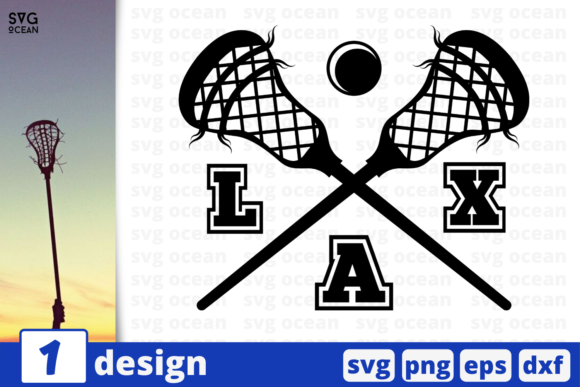
Lax Embroidery Design: A Practical Review for Makers
As a designer who spends more time staring at stitch simulations than I care to admit, I have learned that not every digital file translates beautifully into thread. We live in an era where design assets are abundant, but finding a graphic that respects the limitations of fabric and needle is rare. Recently, I pulled the Lax quote cricut svg Download into my workspace to evaluate its potential for real-world application. This isn’t just about whether the lines look clean on a screen; it is about how Lax behaves when subjected to the tension of a hoop, the texture of cotton, and the scrutiny of a paying customer.
First Impressions: Mood and Visual Personality
The first thing that strikes you about Lax is its understated confidence. In the world of Crafts, there is often a temptation to over-complicate designs with excessive flourishes or dense detailing. Lax avoids this trap. The layout suggests a relaxed, modern aesthetic that appeals to contemporary tastes. When I opened the zipped folder, which includes svg, dxf, png, and eps formats, I was looking for clarity. The SVG format, compatible with Cricut Design Space and Silhouette Designer Edition, showed crisp vector paths. For an embroidery designer, this is crucial. Clean vectors mean fewer jagged edges when converting to stitches, resulting in a smoother finished product.
The visual personality of Lax feels versatile. It does not scream for attention, which makes it ideal for items meant to be worn daily rather than displayed as novelty pieces. This subtlety is what drives sales for many Etsy sellers and small shop product creators today. Customers want personalized items that feel integrated into their lifestyle, not loud statements that clash with their wardrobe.
Real-World Application: From Screen to Stitch
To truly test Lax, I moved beyond digital mockups and considered a specific project: a custom embroidered tote bag. Tote bags are a staple for craft business owners because they offer a large, flat canvas. However, canvas fabric has a distinct weave that can swallow up fine details. I imagined placing Lax centrally on a natural cotton tote. The design’s structure seemed robust enough to hold its own against the textured background. Unlike intricate applique design work that might get lost in the weave, the boldness of Lax suggested it would read clearly from a distance.
I also considered its use in custom apparel, specifically a heavyweight sweatshirt. Sweatshirt embroidery requires careful handling of stitch density. If a design is too dense, it creates a stiff, cardboard-like patch on the fabric that is uncomfortable to wear. If it is too sparse, the garment’s fleece shows through, looking amateurish. Lax appears to strike a balance. Its open spaces allow the fabric to breathe, while its solid elements provide sufficient coverage. This makes it a strong candidate for commercial embroidery projects where comfort and durability are paramount.
For those creating baby embroidery items, such as onesies or burp cloths, the softness of the design is a major asset. Parents often prefer gentle, minimalist aesthetics for nursery items. Lax fits this niche well, provided the scale is adjusted appropriately. A smaller version could work beautifully on a baby cap, though this brings us to important technical considerations.
Technical Considerations and Fabric Constraints
While Lax is visually appealing, a professional reviewer must address where it might fail if not handled correctly. One critical area is hoop size. If you are working with a small 4x4 hoop, you must ensure the design fits without compromising the integrity of the outer edges. Crowding a design near the hoop edge often leads to puckering or missed stitches.
Fabric choice is another variable. On thin or stretchy fabrics, such as jersey knits used in t-shirts, Lax will require a high-quality cut-away stabilizer. Without proper stabilization, the pulling force of the threads can distort the design, turning clean lines into wavy messes. I always advise testing the design on scrap fabric first. This simple step saves hours of frustration and wasted materials. Check your thread colors against the fabric. High contrast works for visibility, but sometimes a tonal approach—using a thread color slightly lighter or darker than the fabric—creates a sophisticated, high-end look that elevates the perceived value of the handmade product.
Dark fabrics present their own challenges. If Lax contains light-colored elements, you may need to use an underlay stitch or a white backing to prevent the dark fabric from showing through the top stitches. This is especially true for fill stitch areas. Always inspect small details. If the design includes tiny lettering or fine corners, verify that your machine can execute them cleanly. Sometimes, simplifying a design for embroidery means accepting that some digital precision is lost in translation to thread.
Commercial Viability and Brand Consistency
For digital product sellers and creative entrepreneurs, the versatility of Lax is a significant selling point. Because the download includes multiple formats like dxf and eps, it can be adapted for various cutting machines as well as embroidery software. This cross-compatibility expands your market reach. You can offer the same design as a vinyl decal and an embroidered patch, creating a cohesive brand identity across different product lines.
When using Lax for holiday embroidery or seasonal gifts, consider how it pairs with other design elements. It works well as a standalone statement piece, but it can also serve as a foundational element in a larger composition. For example, combining Lax with simple floral motifs can create a balanced tote bag design that appeals to a broader audience. However, avoid clutter. The strength of Lax lies in its simplicity; adding too many competing elements dilutes its impact.
Customer trust is built on consistency. If you sell personalized gift items, your customers expect a certain level of quality. Using a well-structured design like Lax helps maintain that standard. It looks professional in printable mockup previews, which is essential for online listings. A clean, crisp image in your Etsy shop converts browsers into buyers. Ensure that your product photos reflect the true quality of the stitching. Poor lighting or bad angles can undermine even the best embroidery file.
Final Verdict for the Modern Maker
In evaluating Lax, I see a design that respects the medium of embroidery. It is not just a graphic; it is a thoughtful composition that considers the interplay of thread and fabric. For apparel decorators and hobbyists alike, it offers a reliable foundation for creating high-quality items. Whether you are producing a batch of embroidered patch orders for a local team or crafting a single wedding gift, Lax provides the flexibility and aesthetic appeal needed to succeed.
Remember to check the specific licensing terms included in your download. While the file formats suggest broad compatibility with tools like Make the Cut MTC and Sure Cuts A Lot SCL, always confirm whether the license allows for commercial use of the finished physical items. Most designers permit selling the stitched product, but restrictions on reselling the digital file itself are standard. Respect these boundaries to maintain a healthy creative community.
Ultimately, Lax earns its place in my library of go-to designs. It is practical, stylish, and technically sound. By paying attention to stabilizer choices, thread tension, and fabric texture, you can transform this digital asset into a tangible object that brings joy to its recipient. That is the true measure of a successful embroidery project.