Football Coach Design: A Practical Review for Embroidery
As a designer who spends more time staring at stitch simulations than I do sleeping, I have learned that not every digital file translates well to thread. We see thousands of Graphics and vector files floating around the internet, but when it comes to actual needlework, the devil is in the details. Recently, I took a close look at the Football Coach design to determine if it holds up under the scrutiny of a real-world embroidery project. This isn’t just about whether the image looks cute on a screen; it is about how it behaves on fabric, how it impacts production time, and whether it adds genuine value to a handmade product.
First Impressions and Visual Personality
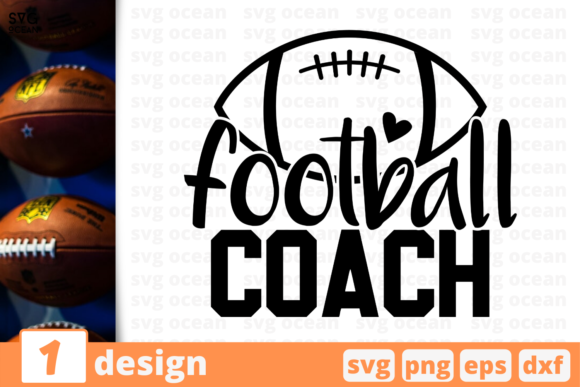
The moment I unzipped the folder containing the Football Coach assets, I was looking for clarity. The package includes SVG, DXF, PNG, and EPS formats, which is a standard and welcome combination for modern crafters. While the description notes these are primarily for cutting machines like Cricut and Silhouette, my interest lies in how these clean lines translate into a machine embroidery design. The visual personality of this piece is bold and authoritative, capturing the spirited essence of sports mentorship. It feels less like a delicate decorative accent and more like a statement piece. For those of us in the Crafts industry, recognizing the mood of a design is half the battle. This design screams "team spirit" and "pride," making it an immediate candidate for high-visibility items rather than subtle, background embellishments.
Real-World Application: The Sweatshirt Test
To truly evaluate any design, you have to imagine it stitched out. I envisioned using Football Coach on a heavyweight cotton blend sweatshirt. This is a classic use case for custom apparel. When working with quote-based or character-driven designs, placement is critical. On a sweatshirt, the chest area is prime real estate. The bold nature of this design means it can hold its own against the texture of fleece or heavy cotton without getting lost. If I were producing this for a client, perhaps a local youth league coordinator looking for small shop product ideas, I would lean into the contrast. Using white or bright gold thread colors against a navy or black garment would ensure the design pops. The simplicity of the concept allows for quick stitching, which is vital for maintaining healthy margins in a craft business.
Beyond apparel, I see strong potential for this design on durable goods. A canvas tote bag design featuring this motif could be a hit during football season. The flat surface of a tote allows for precise hooping, reducing the risk of distortion that often plagues curved surfaces. For an Etsy seller, offering this as part of a bundle with matching personalized gift options, like a keychain or patch, could increase average order value. The versatility of the file formats means you can easily create printable mockup images for your online store, giving customers a realistic preview of the finished product before they buy.
Navigating Technical Challenges
While the design is visually appealing, we must discuss where it requires caution. Embroidery is unforgiving of poor preparation. If you plan to use this on stretchy fabrics, such as performance jerseys or thin t-shirts, proper stabilization is non-negotiable. Without a cut-away stabilizer, the tension from the stitches could cause the fabric to pucker, ruining the crisp lines of the graphic. Additionally, if you are adapting this from its vector origins into an embroidery file, pay close attention to stitch density. Dense areas can lead to thread breaks or fabric stiffening, which is uncomfortable for the wearer. I recommend running a test stitch-out on scrap fabric of the same type you intend to use for the final item. This simple step saves hours of frustration and prevents wasted materials.
Another consideration is scale. If you attempt to shrink this design for a small hoop, such as a 4x4 inch frame, you risk losing detail. Tiny elements may not stitch out cleanly, resulting in a muddy appearance. For baby embroidery or small accessories, ensure the design is scaled appropriately so that the text remains legible and the shapes remain distinct. If the design includes fine lines, consider converting them to a satin stitch or a wider running stitch depending on the length, to ensure durability through multiple wash cycles. For items like embroidered patch creations, you might want to add a border to contain the edges and give the piece a professional, finished look.
Commercial Viability and Brand Consistency
For professional decorators and commercial embroidery specialists, consistency is key. The Football Coach design offers a clean aesthetic that aligns well with sports-themed branding. It does not look cluttered or overly complex, which appeals to a broad demographic. Whether you are creating holiday embroidery gifts for coaches or year-round merchandise for a school store, the design’s neutrality allows it to fit various color schemes. However, always verify the licensing terms. The product description mentions it is a download for crafting software, but selling physical items made with these designs may require specific commercial rights. Always confirm whether the license covers digital embroidery file redistribution or just the sale of physical design assets and finished goods. Protecting your business legally is just as important as the quality of your stitching.
Final Verdict for Makers
In conclusion, the Football Coach design is a solid addition to your library if you approach it with a designer’s eye. It excels in applications where boldness and clarity are required, such as sweatshirt embroidery, tote bags, and team gear. It is less suitable for delicate, high-detail miniature work unless significantly simplified. By paying attention to hoop size, fabric choice, and stabilizer selection, you can transform this digital graphic into a high-quality tactile product. For the small business owner or hobbyist, it represents a reliable option for creating engaging, sporty merchandise that resonates with customers. Remember, the best embroidery projects are those where the technical execution matches the creative vision. Test your threads, check your tension, and let this design do what it does best: celebrate the game.